How Much Can I Borrow? (Math Behind Loan Approvals)

How Much Can I Borrow? (Math Behind Loan Approvals)

When you ask, “How much can I borrow?”, you might think the answer depends entirely on your credit score. You might assume that a 700 score unlocks a specific dollar amount, like a video game level. In reality, your credit score determines the interest rate you pay. It is your income and existing debt that…

Found an Error on Your Credit Report? Here’s What to Do

Found an Error on Your Credit Report? Here’s What to Do

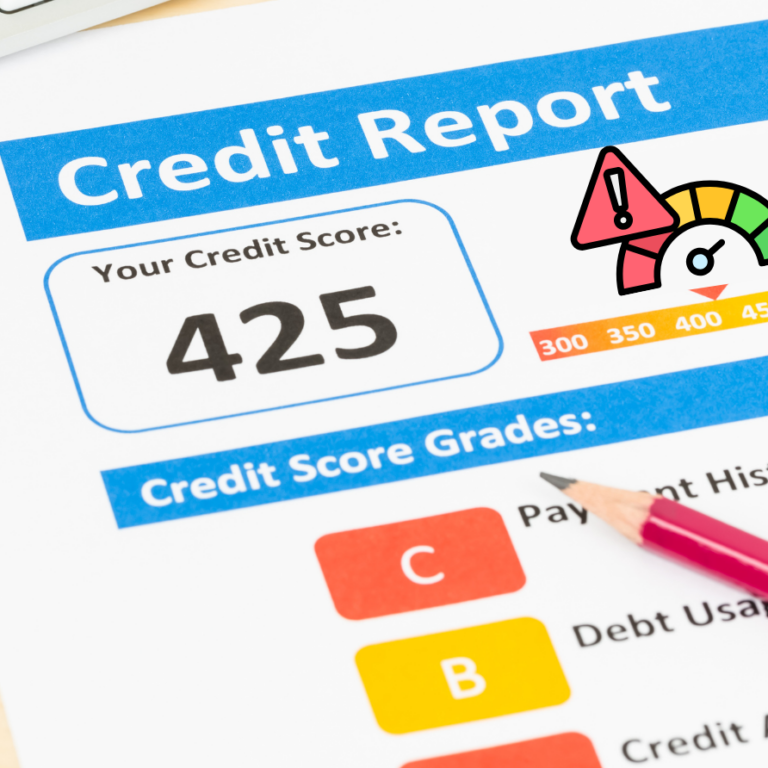
Discovering a mistake on your credit report is terrifying. Whether it is a stranger’s credit card listed under your name or a bill you paid three years ago showing up as “unpaid,” these errors can unfairly tank your credit score by 50 to 100 points. You are not alone. A study by the Federal Trade…

Does Getting a New Credit Card Hurt Your Credit Score?

Does Getting a New Credit Card Hurt Your Credit Score?

Yes, getting a new credit card will likely lower your score by 5 to 10 points temporarily. However, this drop is usually short-lived. In the long run, opening a new card is one of the most effective ways to help your credit score grow higher than it was before. It sounds contradictory, right? How can…

Length of Credit History: What Is a “Good” Credit Age?

Length of Credit History: What Is a “Good” Credit Age?

When you check your credit score, you might see a grade for “Length of Credit History” (also called Credit Age). While it isn’t the biggest factor in your score—it accounts for 15% of your FICO score—it is often the hardest to improve because you cannot “buy” time. You simply have to wait for it. However,…

What Is Payment History and It’s importance for Credit Score

What Is Payment History and It’s importance for Credit Score

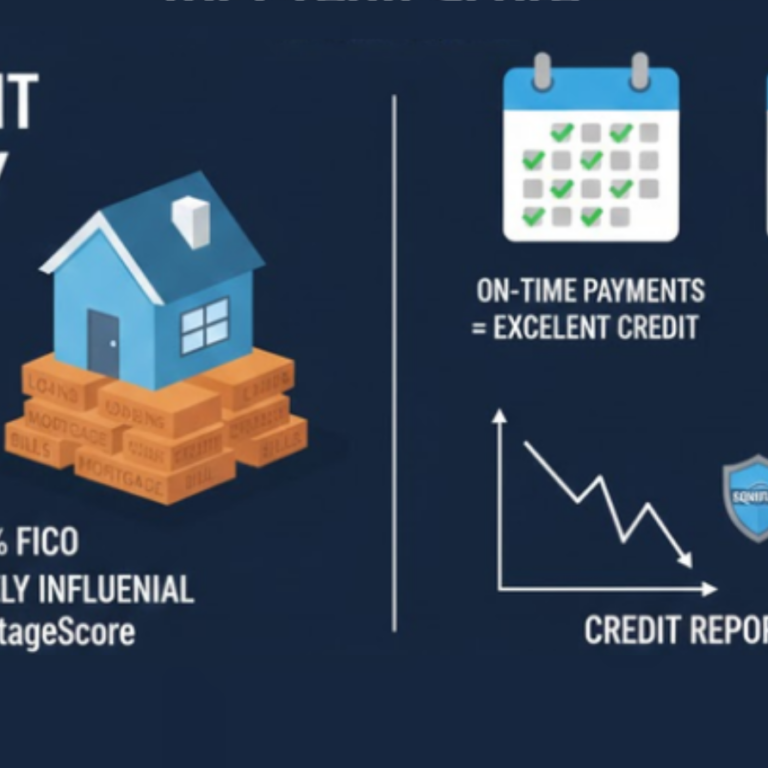
If your credit score were a house, your Payment History would be the foundation. It is the single most important factor determining your creditworthiness, making up the largest percentage of both FICO and VantageScore models. A pristine payment history signals reliability and responsibility, granting you access to the best interest rates. Conversely, a single late…

FICO Score vs Credit Score: Understanding the Difference

FICO Score vs Credit Score: Understanding the Difference

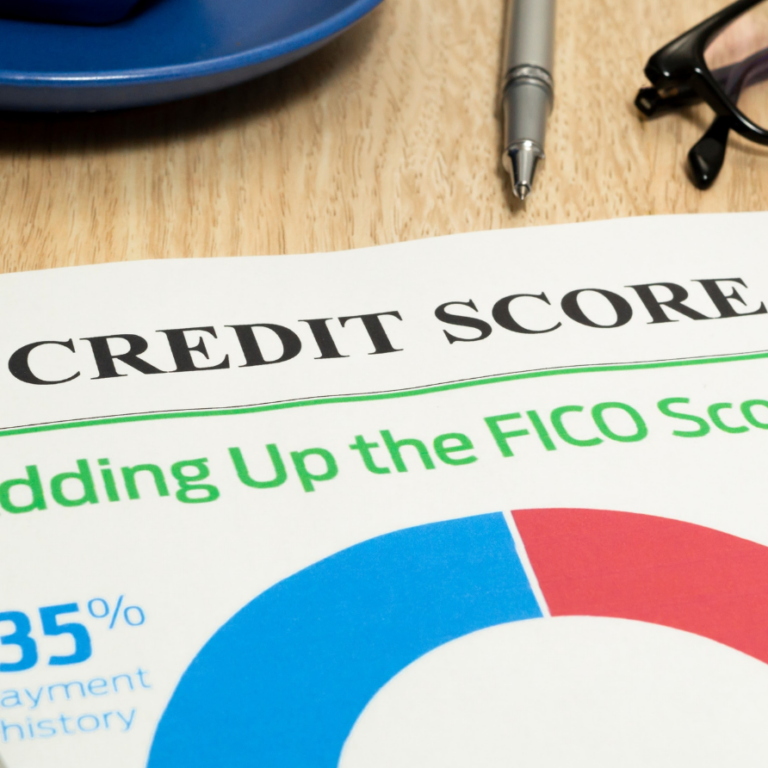
If you have ever applied for a mortgage, taken out a car loan, or even rented an apartment, you have likely been told that your decision hinges on your credit score. Yet, when you check your credit through your bank or a monitoring service, you are often presented with a number labeled FICO Score. This…

How to Lock Your Credit (And When to Use a Freeze Instead)

How to Lock Your Credit (And When to Use a Freeze Instead)

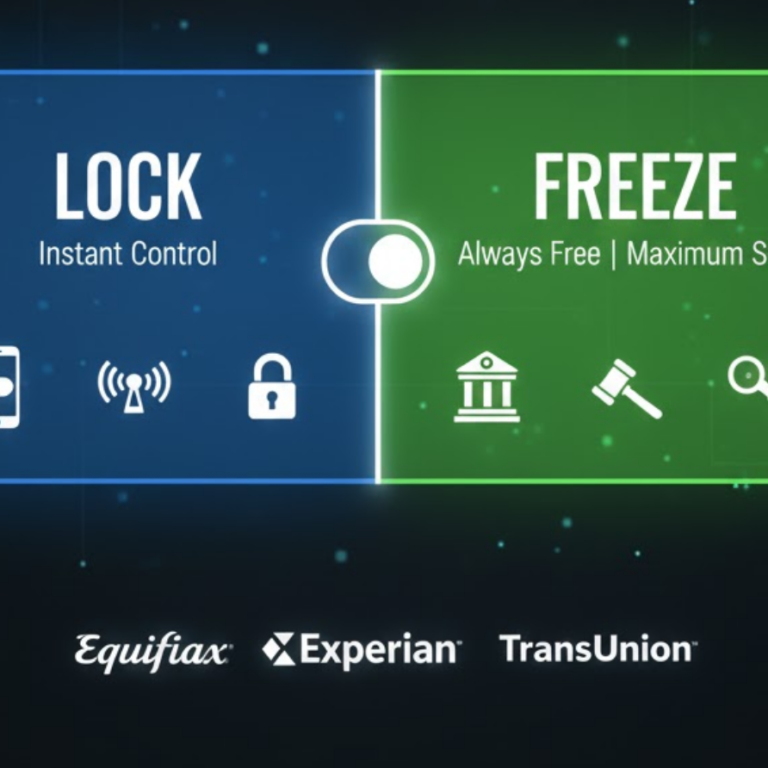
Locking your credit is the fastest way to block lenders from accessing your credit report. Unlike a “Freeze,” which acts like a permanent security anchor, a Credit Lock acts like a light switch. You can flip it “on” and “off” instantly using a smartphone app, making it perfect for active shoppers. However, locking your credit…

How Is Credit Score Calculated for Married Couples?

How Is Credit Score Calculated for Married Couples?

The short answer: It isn’t. There is no such thing as a “joint credit score.” When you get married, your credit scores do not merge, average out, or combine. You keep your own score, and your spouse keeps theirs. However, marriage does affect your borrowing power in specific ways. While your scores remain separate, your…

What Is the Lowest Credit Score you can have ?

What Is the Lowest Credit Score you can have ?

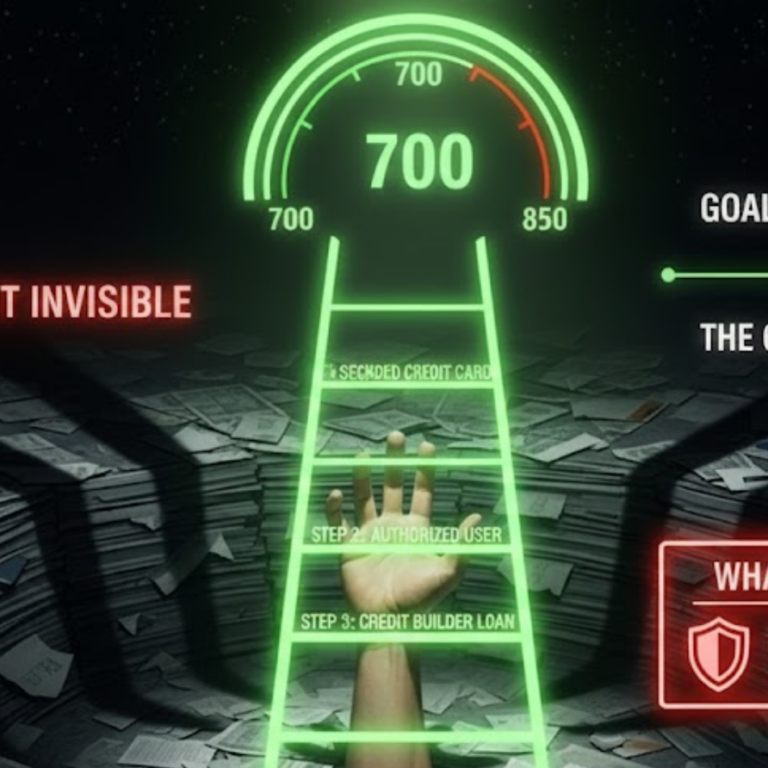
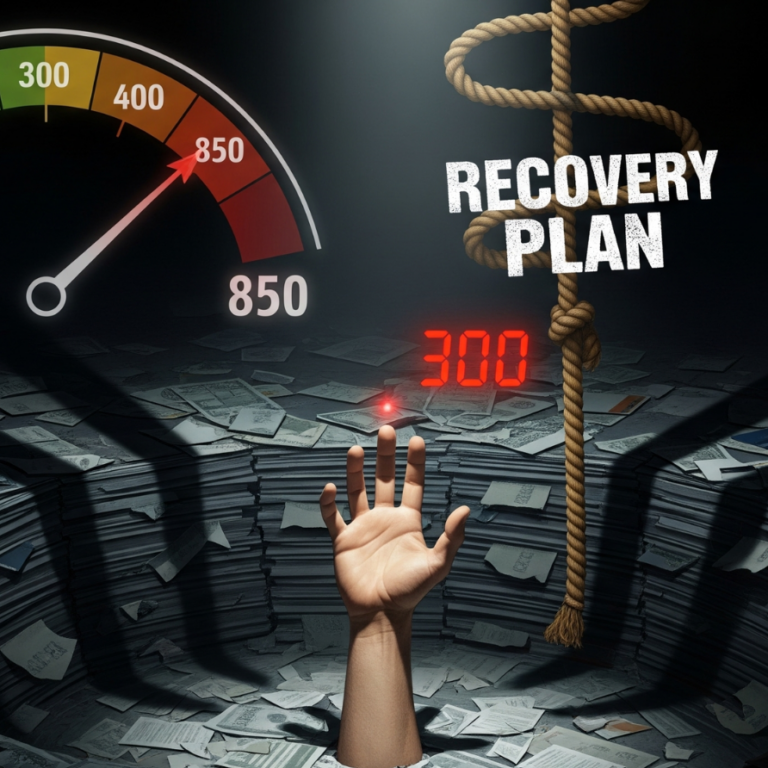
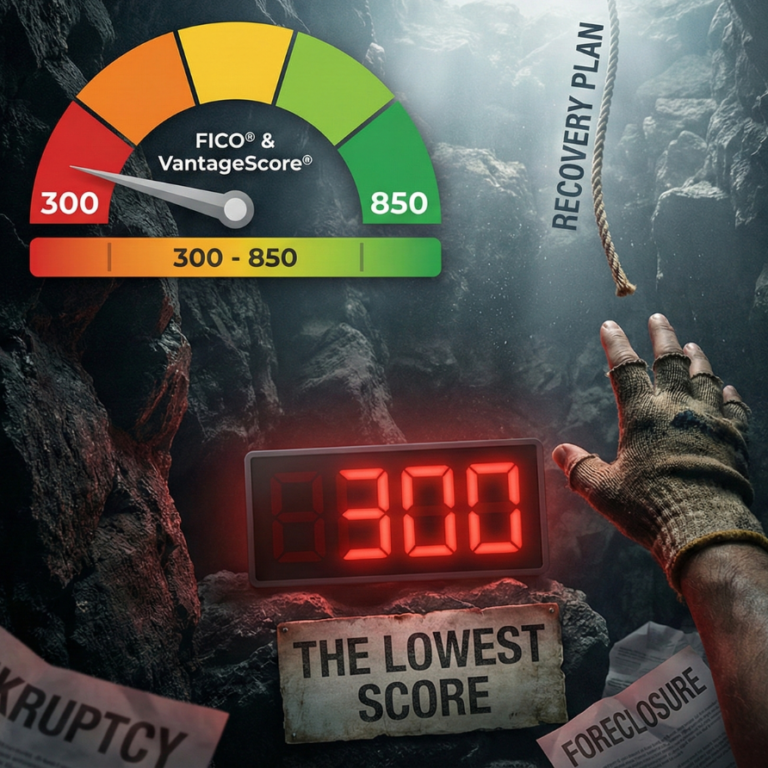
The lowest credit score you can have is 300. This applies to both the FICO® Score and VantageScore® models, which range from 300 to 850. Despite common myths, it is impossible to have a credit score of zero; if you have no credit history at all, you are simply “unscorable” or “credit invisible,” meaning you…